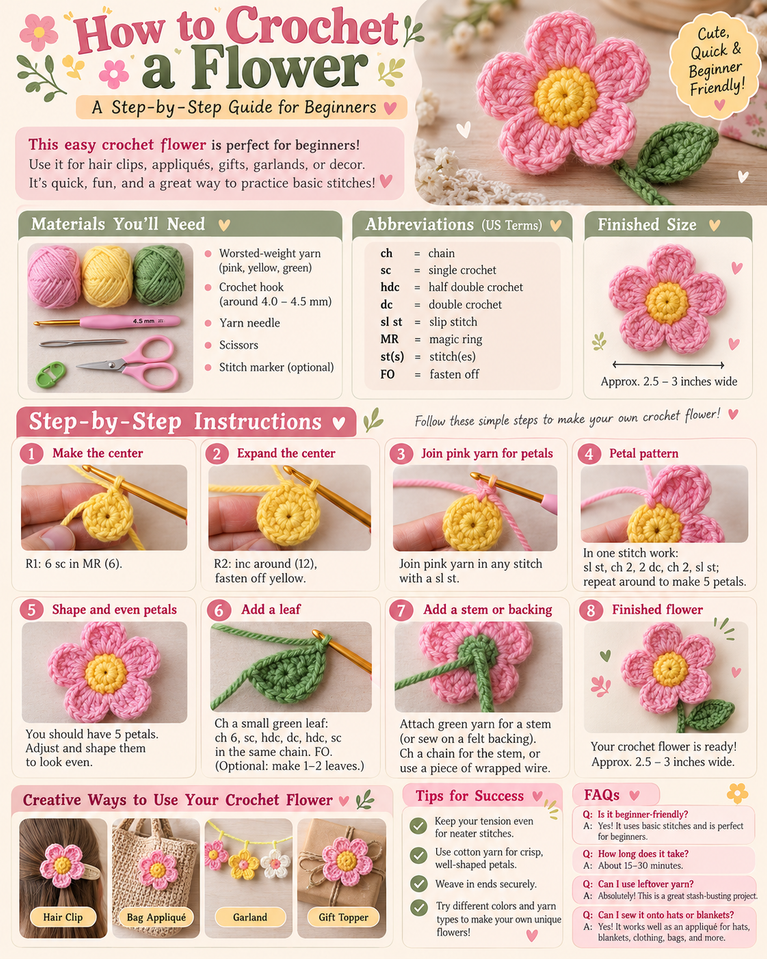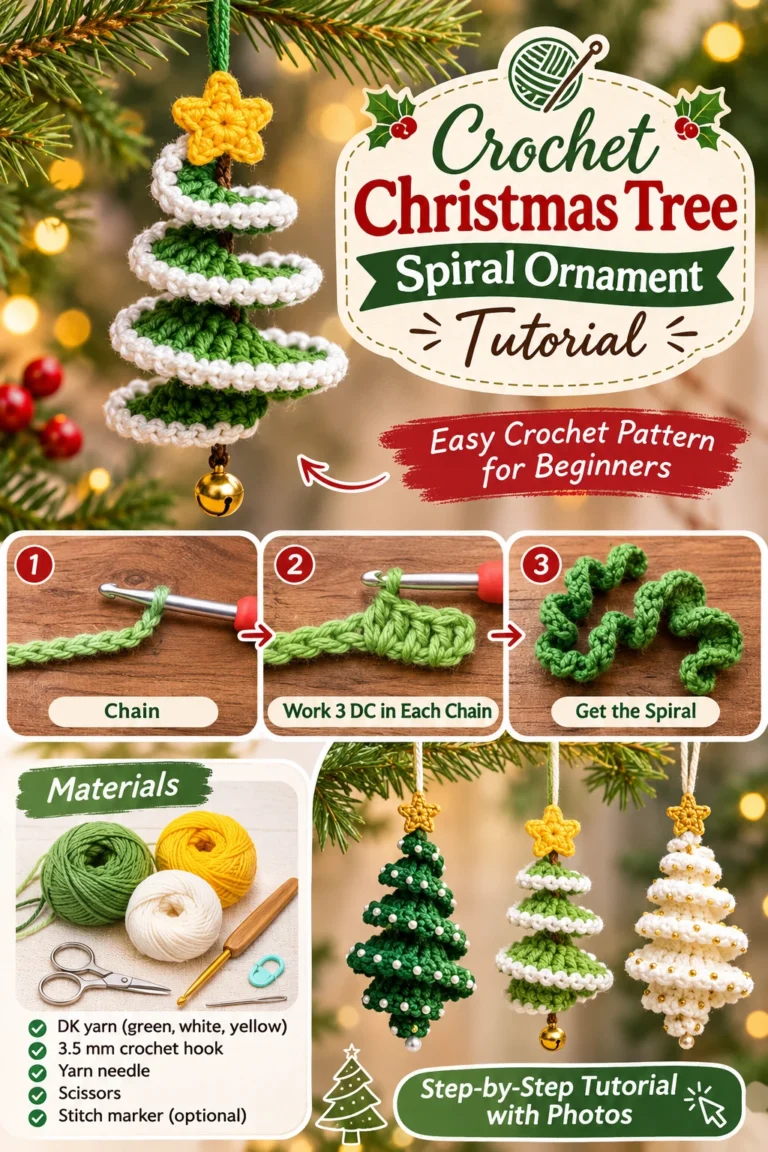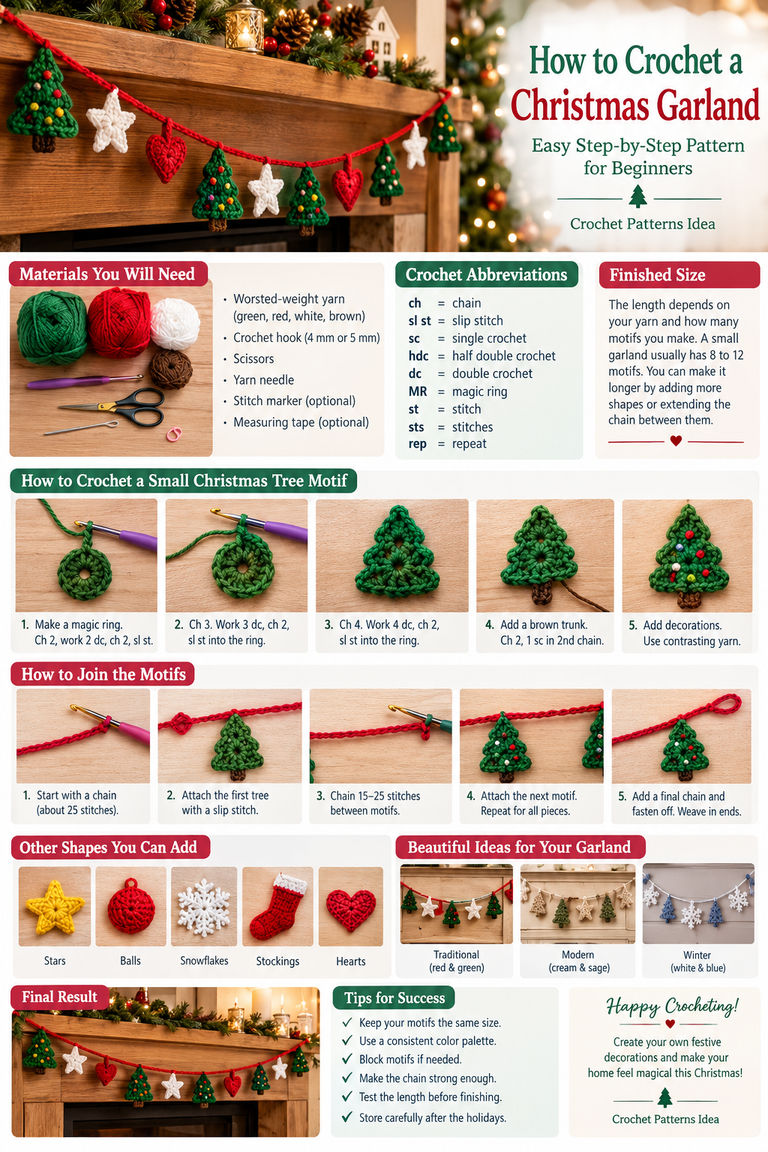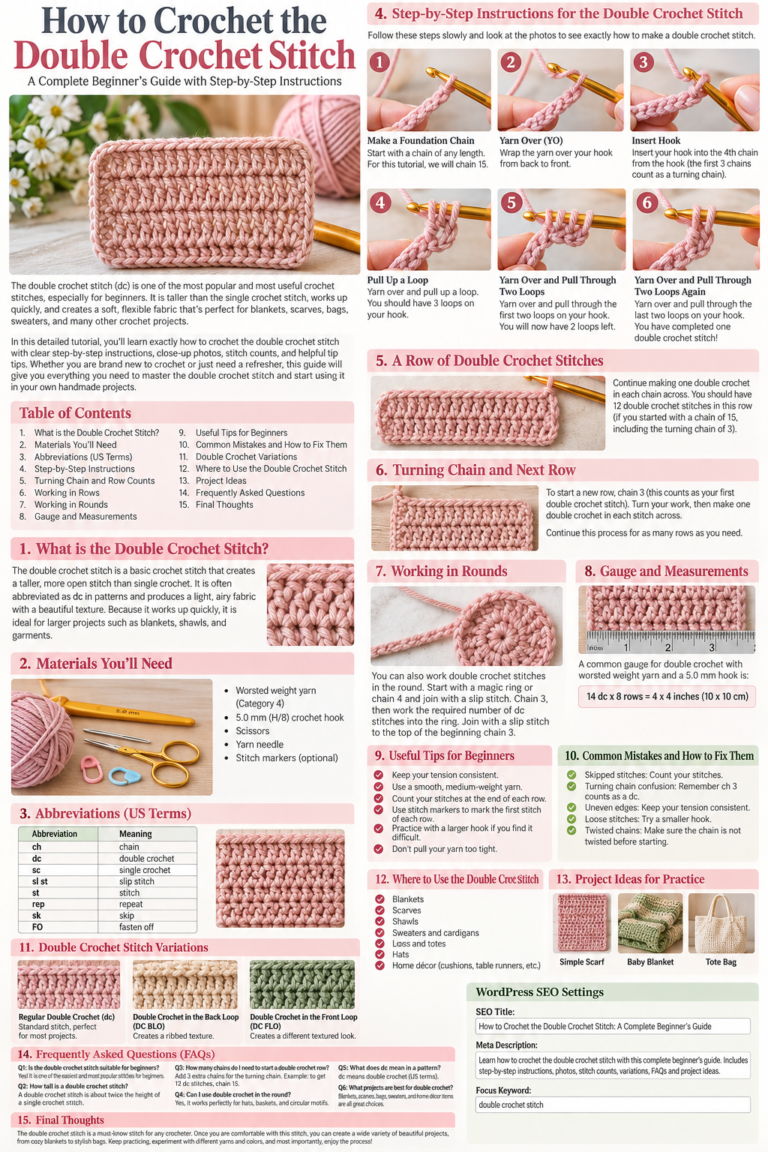
Rainbow Cardigan for Kids: A Colorful Knitting Project
images from ovecrafts.com
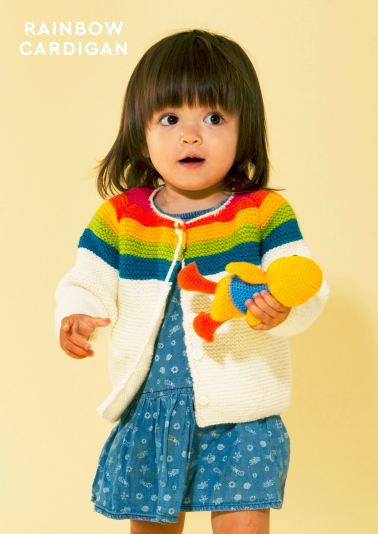
A rainbow cardigan is a cheerful addition to any child’s wardrobe. With its bright stripes, comfortable fit, and playful appearance, this style combines everyday practicality with the beauty of handmade clothing. It can be worn over a T-shirt, paired with jeans, or layered over a dress on cooler days.
One of the best things about a rainbow cardigan is the freedom to experiment with color. You can choose traditional rainbow shades, soft pastels, or a more subtle combination of blues, greens, and neutral tones.
In this guide, we will explore how to plan a colorful children’s cardigan, select suitable yarn, choose a size, and achieve a neat, comfortable finish.
Why Choose a Rainbow Cardigan?
Colorful knitwear is a wonderful way to add personality to a child’s outfit. Each stripe creates a different visual detail, making even a simple cardigan look special.
Here are a few reasons to consider this project:
- Colorful design: Multiple shades create a playful and eye-catching appearance.
- Practical layering: A cardigan can be worn indoors or outdoors when the weather is cool.
- Customizable colors: You can adapt the palette to suit the child’s favorite colors.
- Handmade appeal: A carefully finished garment makes a thoughtful gift for a birthday or another special occasion.
- Personal finishing touches: Buttons, contrasting edges, and coordinated sleeves can give the garment its own character.
Materials for a Children’s Rainbow Cardigan
Before beginning, gather your supplies and check that your yarn, needles, and chosen size are suitable for the project.
Yarn
Choose a soft yarn intended for children’s garments. A medium-weight yarn can create a warm cardigan with good structure, although the best choice depends on the desired fabric and pattern.
You will need a main color and several contrasting colors for the stripes. White, cream, or another neutral shade can help brighter colors stand out.
When selecting yarn, consider these points:
- Choose yarn that feels comfortable against the skin.
- Check the care label before purchasing.
- Make sure the colors work well together.
- Purchase enough yarn for the entire garment, allowing for differences in size and stripe arrangement.
- If possible, buy the required quantity from the same dye lot.
Knitting Tools and Accessories
Prepare the following items:
- Knitting needles in the sizes recommended by your chosen pattern.
- Stitch holders or spare yarn for stitches that need to be kept aside.
- A tape measure.
- Stitch markers.
- A yarn needle for finishing.
- Scissors.
- Buttons that complement the colors of the cardigan.
The number and size of the buttons will depend on the finished design.
Choosing the Right Size
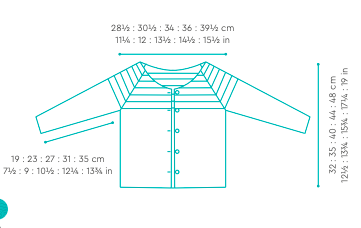
Children grow quickly, so measuring before starting is particularly important.
Check the child’s chest circumference, desired cardigan length, and sleeve length. Compare these measurements with the sizing information supplied with your selected pattern.
Do not choose a size based on age alone. Two children of the same age may have different body measurements, and the finished garment should allow enough room for comfortable movement.
It is also important to consider how the cardigan will be worn. A garment intended for layering over other clothes may need more ease than one designed to fit closely.
Understanding Knitting Gauge
Gauge is the number of stitches and rows produced within a particular measurement. It helps determine whether your finished cardigan will match the intended dimensions.
Before knitting the garment, make a small sample using the yarn and needles you plan to use.
Wash or prepare the sample according to the yarn’s care instructions, then measure it. Compare the result with the gauge specified by your chosen pattern.
If your gauge differs, you may need to change needle size and make another sample.
Taking time to check gauge can help prevent sizing problems later.
Planning the Rainbow Stripes
The color arrangement is one of the most enjoyable parts of designing a rainbow cardigan.
Traditional Rainbow Colors
A traditional palette can include red, orange, yellow, green, blue, and purple. Arrange the colors in an order that creates a smooth transition from one shade to the next.
Soft Pastel Colors
For a gentler appearance, consider pale pink, butter yellow, mint green, sky blue, and lavender. Pastels work particularly well for lightweight spring garments.
Modern Blue and Green Stripes
If you prefer a less traditional rainbow, combine different shades of blue and green with a neutral main color. This creates a coordinated look without making the garment overly bright.
How to Make the Colors Work Together
Try laying the yarn balls next to one another before beginning. This allows you to see whether any colors compete too strongly or whether the overall palette feels balanced.
You can also use different button colors for a playful finish, provided the buttons remain suitable and securely attached to the garment.
Understanding the Main Parts of a Cardigan
Many children’s cardigans are constructed from separate knitted sections that are joined together during finishing. The exact construction depends on the pattern.
The Back
The back forms the central section of the garment. Its width and length help determine the overall fit.
The Front Sections
The front is commonly divided into two pieces, leaving an opening for buttons or another fastening method.
A round-neck cardigan and a V-neck cardigan have different front shaping. Choose the neckline that best matches the look you want.
The Sleeves
Sleeves should allow comfortable movement without being unnecessarily tight. Measure their intended length and compare both sleeves as you work.
The Neckline and Front Edges
Finishing bands help give the neckline and front opening a neat appearance. These details can be worked in a main color for a simple finish or coordinated with the rest of the design.
General Tips for Working with Multiple Colors
Color changes require a little planning, especially when several shades are used.
Keep the stripe arrangement consistent. Write down your chosen color order so that you can follow the same sequence across the relevant sections.
Manage yarn ends carefully. Leave enough yarn at each color change to weave in the ends securely during finishing.
Check the fabric regularly. Make sure the knitted sections maintain a consistent tension and that the colors are appearing in the intended order.
Avoid unnecessary knots. Secure yarn ends using an appropriate finishing technique rather than relying on bulky knots that may feel uncomfortable against the skin.
Compare matching sections. If the design uses two similar sleeves or front sections, check their measurements as you progress.
Finishing Your Children’s Cardigan
Finishing is an important part of creating a polished handmade garment.
Before joining the pieces, check that each section has the intended measurements. Follow the care and blocking recommendations for your yarn rather than applying heat or steam without checking the manufacturer’s guidance.
Join the seams neatly and weave in loose ends. Attach the buttons securely, keeping the child’s age and button safety in mind.
Once the garment is complete, check the seams, edges, and fastenings. The cardigan should feel comfortable and allow the child to move freely.
Always follow the yarn manufacturer’s washing instructions. Some yarns tolerate machine washing, while others require more delicate care.
Ideas for Personalizing Your Rainbow Cardigan
A rainbow design can be adapted in many ways.
- Use pastel colors for a soft spring look.
- Choose blue and green shades for a more understated style.
- Add contrasting buttons that complement the stripe colors.
- Use a neutral main color to make the rainbow sections stand out.
- Coordinate the cardigan with a matching hat or scarf.
You can also create a different look by changing the color palette while keeping the same general cardigan silhouette.
Frequently Asked Questions
Is a rainbow cardigan suitable for beginners?
That depends on the pattern. A simple striped garment may be manageable for someone who knows the basic knitting stitches, while shaping sleeves, necklines, and raglan sections can require more experience. Choose a pattern that matches your current skill level.
Can I use a different yarn brand?
Often, yes, but the replacement yarn should have a suitable weight, texture, and care requirement. Check your gauge and the finished measurements before committing to the full project.
How do I keep the stripes looking even?
Follow a written color plan and maintain consistent tension. If the design uses repeated stripe widths, record the sequence so you can reproduce it accurately.
How should I wash a handmade cardigan?
Always check the yarn label and follow the care instructions for the fiber used. Lay the garment flat to dry when recommended, and avoid heat treatments that could damage or distort the fabric.
Can I make the cardigan in different colors?
Yes. The rainbow theme is flexible, and changing the palette is an easy way to personalize the appearance while following a suitable pattern.
Final Thoughts
A rainbow cardigan is a lovely example of how color can transform a simple piece of knitwear into something memorable. With careful yarn selection, accurate measurements, a well-planned stripe arrangement, and neat finishing, you can create a garment that is both attractive and practical.
Take your time with the gauge, choose colors that work well together, and follow a pattern that matches your knitting experience. The result can be a colorful handmade piece that is treasured for years.
Pattern note: This article is a general design and planning guide, not a complete stitch-by-stitch knitting pattern. For a specific construction method and detailed instructions, use a pattern you have permission to follow and share.