Adorable Crochet Kitty in a Frog Hood: A Cute Amigurumi Project
Baby Crochet Blankets: A Complete Guide for Makers and Gift-Givers
There’s something undeniably special about a handmade baby blanket. Unlike mass-produced nursery items, a crocheted blanket carries the warmth of hours spent looping yarn into something meant to comfort a new life. Whether you’re a seasoned crocheter looking for your next project or a beginner hoping to make a one-of-a-kind gift for an expecting friend, baby crochet blankets offer a rewarding blend of creativity, skill-building, and heartfelt purpose.
This guide walks through everything you need to know about making baby crochet blankets: the best yarns and stitches to use, how to choose a pattern suited to your skill level, safety considerations every maker should keep in mind, and tips for finishing a blanket that will be treasured for years. By the end, you’ll have a clear roadmap for starting (and completing) your own baby blanket project.
Why crochet a baby blanket instead of buying one?
Store-bought blankets are convenient, but they rarely carry the same sentimental weight as something made by hand. A crocheted baby blanket can be customized in color, pattern, and size to match a nursery theme or reflect a family tradition. It also makes a deeply personal baby shower gift, the kind that gets passed down or kept in a memory box long after the baby has outgrown it.
Beyond sentiment, crocheting a blanket is also a practical hobby. It’s portable, relatively inexpensive to start, and the repetitive motion of stitching can be a calming, meditative activity, especially appealing during the anticipation of a baby’s arrival.
Choosing the right yarn for a baby blanket
Yarn selection is one of the most important decisions you’ll make before starting a baby blanket. Since the blanket will be in close contact with delicate skin, softness and safety should guide your choice.
What type of yarn is best for baby blankets?
Cotton, bamboo, and acrylic yarns are popular choices for baby blankets, each with its own advantages:
- Cotton yarn is breathable, durable, and easy to wash, making it a practical option for blankets that will be used frequently and laundered often.
- Bamboo yarn offers a silky texture and is naturally hypoallergenic, which can be a good fit for babies with sensitive skin.
- Acrylic yarn is budget-friendly, widely available in a huge range of colors, and machine washable, though it’s worth choosing a high-quality, soft variety to avoid scratchy textures.
Avoid wool unless it’s specifically labeled as superwash and safe for babies, as untreated wool can be itchy and some babies may have sensitivities to it. Whatever yarn you choose, look for labels that confirm it’s machine washable, since baby items need frequent cleaning.
What weight yarn should you use?
DK (double knit) or worsted weight yarn is typically recommended for baby blankets. These weights strike a balance between creating a cozy, substantial fabric and keeping the project light enough to be manageable for both the maker and the baby. Thicker yarns can work for quicker projects, but they may result in a heavier blanket than ideal for a newborn.
Best crochet stitches for baby blankets
The stitch you choose affects the blanket’s texture, drape, and how quickly the project comes together. Some popular stitches for baby blankets include:
- Single crochet: Creates a tight, dense fabric that’s great for warmth but can take longer to complete.
- Double crochet: Works up faster than single crochet and produces a softer drape, making it a popular choice for blankets.
- Shell stitch: Adds a decorative, scalloped texture, ideal for those wanting something visually interesting without too much complexity.
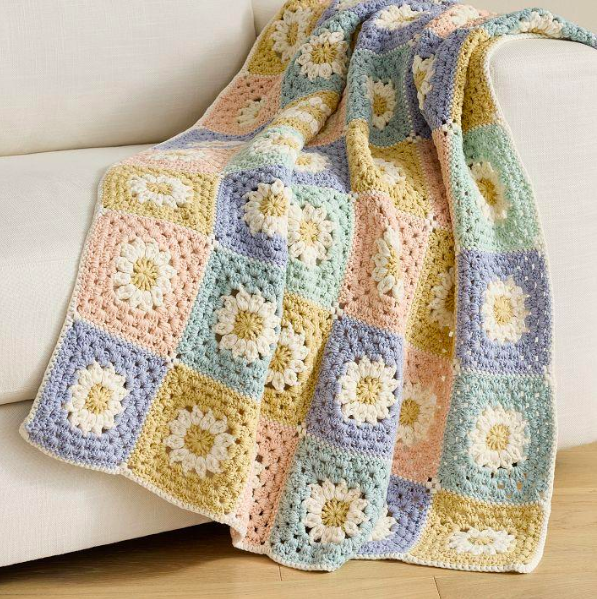
- Granny square: A classic choice that allows makers to combine multiple colors and is especially beginner-friendly since squares can be worked individually and joined later.
- C2C (corner to corner): Popular for creating graphic designs or patterns within the blanket, such as hearts, animals, or initials.
If you’re new to crochet, starting with single or double crochet stitches in a simple rectangle is a great way to build confidence before attempting more intricate stitch patterns.
How to choose a baby blanket pattern based on skill level
Not all patterns are created equal, and choosing one that matches your experience level will make the process far more enjoyable.
Patterns for beginners
Beginners should look for patterns that use basic stitches and straightforward repeats. A simple granny square blanket or a basic double crochet rectangle are excellent starting points. These patterns require minimal counting and are forgiving if a stitch or two goes slightly off.
Patterns for intermediate and advanced crocheters
If you’ve got some experience under your belt, consider patterns that incorporate color changes, textured stitches like the bobble or shell stitch, or more complex techniques like C2C graphghan designs. These patterns take longer but result in a more visually striking final product.
What size should a baby crochet blanket be?
Baby blanket sizes vary depending on their intended use. As a general guide:
- Receiving blankets: Around 30 x 30 inches, ideal for swaddling or everyday use.
- Stroller or car seat blankets: Approximately 28 x 32 inches, small enough to tuck around a baby without excess fabric.
- Crib blankets: Typically 36 x 50 inches, designed to fit comfortably within a standard crib without being too bulky.
Choosing the right size depends on how the blanket will be used. A blanket meant purely as a keepsake or photo prop can be made smaller and more decorative, while one meant for daily use should prioritize practicality and washability.
Safety considerations when crocheting for babies
Because baby blankets are used around infants, safety should remain top of mind throughout the design and construction process.
- Avoid loose or long fringe. Dangling threads can pose a choking or strangulation hazard, especially once a baby becomes more mobile.
- Keep stitches tight. Loose, open stitch patterns may be beautiful, but they can catch small fingers or toes. Consider using a tighter gauge or lining the blanket with a soft fabric backing for added safety.
- Choose non-toxic, baby-safe yarn. Check labels for certifications or information confirming the yarn is free from harmful dyes or chemicals.
- Follow general safe sleep guidelines. The American Academy of Pediatrics recommends keeping loose blankets out of a baby’s sleep space to reduce the risk of suffocation. Handmade blankets are best used for supervised tummy time, stroller rides, or as keepsakes rather than placed in a crib during sleep.
Taking these precautions ensures that the blanket you lovingly create is both beautiful and safe for its intended use.
Tips for finishing your baby blanket
Once the main body of the blanket is complete, a few finishing touches can elevate the final product:
- Add a border. A simple border, like a shell stitch or single crochet edge, gives the blanket a polished, finished look and helps prevent curling edges.
- Weave in all loose ends securely. This small step prevents unraveling over time and keeps the blanket looking neat after repeated washes.
- Block the blanket if needed. Blocking can help even out stitches and improve the overall shape, particularly for blankets made with multiple squares or panels.
- Personalize it. Consider adding the baby’s initials, birth date, or a small embroidered detail for an extra personal touch.
Start your baby blanket project today
Making a baby crochet blanket is more than a craft project. It’s a way to create something lasting, meaningful, and filled with care for a new addition to a family. Whether you choose a simple granny square design or an intricate colorwork pattern, the process offers both a creative outlet and a heartfelt outcome.
If you’re ready to get started, pick a soft, baby-safe yarn, choose a pattern that matches your skill level, and set aside some time to enjoy the process. The result will be a blanket that’s cherished for years to come.